Can Upgrading Your Circuit Breaker Lower Your Electricity Bills?

Ouch! That electricity bill just arrived again, and it feels like it’s climbing every month. You’re doing everything you can—turning off lights, adjusting the thermostat—but the numbers still sting. You glance over at that metal box in the garage or basement, your circuit breaker panel, and a thought pops up: ‘Could this old thing actually be costing me money?’ It’s a question more homeowners are asking. Let’s get real about when to hire circuit breaker repair experts to upgrade the machine for taming those energy bills.

The Direct Answer: Probably Not, But Here’s Why

Okay, let’s get straight to the point. Upgrading your circuit breaker itself—just swapping an old breaker for a new one of the same type—is very unlikely to directly lower your electricity bill. Why? Because circuit breakers are fundamentally safety devices. Their job is to protect your wiring from overheating and causing fires by tripping (shutting off) when too much current flows through a circuit. They don’t actually consume significant electricity themselves. Think of them like a security guard—essential for safety, but they don’t run up the utility bill just by being there.

The Indirect Connection

So, if the breaker itself isn’t the energy hog, why even talk about it? Keep in mind that an old, faulty, or inadequate circuit breaker system can waste energy unnecessarily and raise bills indirectly. 

Circuit Breaker Repair: Sometimes, breakers get old, worn out, or damaged. A breaker that isn’t tripping properly when it should is a major fire hazard. But even less dramatically, a breaker with a poor internal connection or one that’s constantly “on the edge” can generate a tiny amount of heat. 

Enabling Efficiency Upgrades: Usually, older homes often have outdated electrical panels with lower amperage (like 60 or 100 amps) and fewer circuits. Trying to run modern, energy-efficient appliances—high-efficiency HVAC systems—on an old panel can be unsafe. You can’t save money with a heat pump if your old breaker panel can’t handle it! So, the upgrade enables the savings, even if the breaker itself isn’t the direct saver.

Focus on Efficiency & Safety

So, should you rush out to upgrade your breakers just to lower your bill? Probably not. But if your breakers are tripping frequently, your panel is old (over 20-25 years), you’re planning major appliance purchases, or you simply haven’t had an inspection in years, a professional electrical inspection is crucial.

This is where circuit breaker repair or a panel upgrade becomes part of a larger strategy for a safer, more efficient home. Fixing faults, eliminating hidden energy drains, and gaining the capacity for modern, efficient appliances can lead to noticeable savings over time. The primary driver, however, is always safety and reliability.

Are you ready to check your panel’s health and explore potential savings? The experts at Boyes Electric Services can provide a thorough inspection, diagnose any issues, and recommend the right solutions—whether it’s a simple repair or a full panel upgrade—to keep your home safe and running efficiently.

How Much Does Circuit Breaker Repair Cost in 2025?

House owners sometimes may experience the light flickering or the power in the kitchen going out suddenly, which becomes a headache for them. When a circuit breaker trips, most of the time a simple reset can solve the issue but such problems become more persistent sometimes. 

If such things happen, you must think, “How much does this cost?” Though every repair cost depends upon the type of issue and its severity, in this blog, we will give you a generalized idea about how much circuit breaker repair is going to cost. 

Average Cost for Circuit Breaker Repair in 2025

The average cost for such a repair runs between $150 and $200, but that depends upon several factors, including the complexity of the work, the location, and the electrician’s experience. For example, a minor repair may cost around $100–$200. 

Moderate repairs such as replacing multiple breakers or fixing wiring inside the panel may cost $200–$400. Last but not least, major repairs like upgrading the entire panel or replacing a faulty main breaker can reach $500 or more. 

Factors That Influence the Cost of Circuit Breaker Repair

It’s true that every house is unique so the problem is. Here, we have discussed the factors in detail so that you get an idea about how these factors impact your average repair cost. In the U.S., licensed electricians typically charge $75 to $150 per hour. 

A simple fix might take an hour, while more complex repairs could take several. If your breaker panel is old or damaged, it might need extra work before new breakers can be installed. This adds to the overall cost. 

A single faulty breaker is cheaper to fix than a whole panel with multiple issues. Calling an electrician after hours or on weekends usually comes with a higher service fee.

Signs You Need To Change Your Circuit Breaker

Here, we have mentioned some red flags that will indicate your circuit breaker issue:

  • Humming noises from the electrical box
  • The breaker keeps tripping even with normal appliance use.
  • Burning smell or scorch marks near the breaker panel.
  • Lights flicker or dim frequently.
  • When you touch it, the breaker feels warm. 

If you notice any of these, it’s best to call a licensed electrician right away. Keep in mind that such problems don’t require DIY solutions and, most importantly, that they can be dangerous if handled without proper training.

Why You Should Not Opt for a DIY Solution

It’s very tempting to opt for a DIY repair to save a few bucks but believe us, this can be very dangerous if you don’t take safety measures. It can lead to severe electrical shock or fire. When you hire an experienced and licensed electrician, they don’t only repair the circuit breaker but also ensure that the repair is done safely. 

How to Keep Costs Down (Safely)

To get the most out of the diagnostic fee, have any additional minor electrical problems fixed during the same service call. Obtain two to three written estimates for non-emergency repairs. Make sure they cover labor, fees, and parts. Don’t choose the least expensive option. It’s risky to cut corners when doing electrical work. 

Get a Professional Diagnosis!

One of the best ways to know how much circuit breaker repair costs is to hire an electrician to examine the condition. They can identify the exact issue and provide a fair quote for the fix. If your breakers are frequently tripping or you’ve noticed burning smells or scorch marks around your panel, don’t wait. 

Contact the experts at Boyes Electric Services for a safe, reliable, and honest assessment. Keep in mind that you should not ignore a faulty breaker. While the cost might sting, it’s a small price to pay for preventing a potential electrical fire. Always prioritize safety and hire a qualified electrician. Let’s keep your home’s power running smoothly and safely all year long.

How Circuit Breakers Prevent Electrical Fires

Ever wonder why that gray metal box in your basement or garage is so important? Those circuit breakers inside aren’t just there to annoy you when they trip during movie night. They’re literally preventing your house from burning down.

Most people don’t realize their circuit breakers are constantly monitoring their home’s electrical system, ready to spring into action when something goes wrong.

What’s Really Going On Inside Your Electrical Panel

Your circuit breaker is basically a smart switch that’s always paying attention. It monitors how much electricity flows through each circuit in your house. When things get sketchy, it cuts the power faster than you can say “fire hazard.”

Here’s the thing most people don’t know: electricity creates heat when it flows through wires. More electricity equals more heat. Too much heat, and you’ve got yourself a fire starter. Circuit breakers stop this before it becomes a problem.

The Main Ways Circuit Breakers Save Your House

They Stop Overloaded Circuits Dead in Their Tracks

You know that moment when you’re making breakfast and plug in the toaster while the coffee maker’s running, and suddenly everything goes dark? That’s not your breaker being dramatic – it just saved your kitchen from potentially catching fire.

When you overload a circuit, here’s what happens:

  • Wires start heating up beyond their safe limit
  • Insulation around the wires begins to break down
  • Hot wires can ignite nearby wood, drywall, or insulation
  • Your circuit breaker cuts power before any of this gets dangerous

They Catch Electrical Problems You Can’t See

Sometimes wires get damaged inside your walls. Maybe a nail hit one during construction, or they’ve just gotten old and frayed. When electricity starts arcing or sparking where it shouldn’t, that’s a recipe for disaster.

Modern GFCI and AFCI breakers are like having a detective in your electrical panel. They can spot these problems instantly and shut everything down. Professional circuit breaker repair services install these specialized breakers in areas where fire risk is highest – like kitchens, bathrooms, and bedrooms.

They Handle Short Circuits Too

Short circuits happen when wires that aren’t supposed to touch each other suddenly do. This creates a big surge of electricity that generates a lot of heat really quickly.

Your circuit breaker is designed to react much faster than you could manually. It detects the problem and cuts the power before things get out of hand.

When Your Breakers Are Trying to Tell You Something

Circuit breakers don’t just fail overnight. They usually give you plenty of warning signs first. Here’s what to watch for:

  • Breakers tripping way too often (like multiple times a month)
  • Switches that feel hot when you touch them
  • That burning smell around your electrical panel
  • Breakers that keep popping back off after you reset them
  • Lights that flicker when you turn on big appliances

Seriously, don’t ignore these signs. A failing circuit breaker won’t protect your home properly when you need it to.

If You Live in an Older House

Got a house built before the 90s? Your electrical panel probably wasn’t designed for how we live today. Back then, people had maybe one TV, a basic kitchen, and that was about it for major electrical stuff.

Now we’ve got multiple computers, gaming systems, giant refrigerators, and enough chargers to power a small village. Those old breakers are working overtime just to keep up.

Upgrading isn’t just about convenience – it’s about making sure your electrical system can handle modern demands safely. Circuit breaker repair can bring your home up to current safety standards.

Get the Right Help When You Need It

Circuit breakers are great at keeping you safe, but only when they’re working properly. And electrical work isn’t something you want to DIY.

At Boyes Electric, we’ve been helping families in Alameda, Sacramento, and Contra Costa counties with reliable electrical service. Our licensed master electricians are available 24/7, provide free quotes on larger jobs, and back everything with our satisfaction guarantee.

When it comes to circuit breaker repair and electrical safety, give us a call. Let’s make sure your system is protecting your home like it should.

Understanding Circuit Breaker Labeling: Why Accuracy Matters

Every homeowner has been there – standing in front of an electrical panel during a power outage or electrical issue, squinting at faded labels that read “stuff” or “Bob’s room.” What seems like a minor inconvenience can quickly become a serious safety concern when you need to identify the right circuit breaker during an emergency or circuit breaker repair situation.

Why Proper Labeling Actually Matters

Your circuit breakers are essentially the security guards of your electrical system. They protect your home from overloads and potential fires, but they can only do their job effectively when you can identify them correctly. Think about it – if you can’t tell which breaker controls what, how can you safely shut off power to work on a problem area?

We’ve all heard stories of homeowners flipping breakers randomly, hoping to find the right one. This trial-and-error approach isn’t just frustrating; it’s potentially dangerous. During a real emergency, like water near an electrical outlet or a sparking appliance, you need to know exactly which breaker to flip – fast.

The Real-World Problems We See

Walk into most homes, and you’ll find electrical panels that tell a story of confusion. Labels like “kitchen stuff,” “upstairs something,” or my personal favorite, “good luck” – yes, that’s a real label we’ve encountered. These vague descriptions create headaches for everyone involved, especially during circuit breaker repair work.

Over time, homes change. That spare bedroom becomes a home office with multiple computers and printers. The garage gets converted into a workshop with heavy machinery. But the labels? They stay the same, creating a disconnect between what the label says and what the circuit actually powers.

Handwritten labels fade, peel off, or become illegible. We’ve seen panels where half the labels are missing entirely, leaving homeowners to guess which breaker does what. This isn’t just inconvenient – it’s a recipe for electrical accidents.

How Poor Labeling Affects Professional Help

When you call for circuit breaker repair, proper labeling can be the difference between a quick fix and an expensive service call. Electricians spend valuable time (your time, really) trying to figure out which circuits control what areas. What should be a straightforward repair becomes a detective mystery.

Professional electricians need to isolate specific circuits to work safely. When labels are wrong or missing, they have to test each circuit individually, which takes longer and costs more. Plus, there’s always the risk of accidentally shutting off power to something critical, like your refrigerator or home security system.

Making Labeling Work for You

Good labeling doesn’t require an engineering degree. Start with clear, specific descriptions: “master bedroom outlets,” “kitchen appliances,” or “guest bathroom lights.” Avoid inside jokes or references that only make sense to you – future you (and anyone else who needs to use the panel) will thank you.

Invest in a simple label maker. Those clear, printed labels last much longer than handwritten ones and stay readable even after years of basement humidity. Update your labels whenever you make electrical changes, no matter how small.

Consider creating a simple diagram or list that corresponds to your panel labels. Keep it near the electrical panel so anyone can quickly understand your system.

The Bottom Line

Proper circuit breaker labeling is one of those small things that makes a huge difference. It keeps you safe, saves money on service calls, and makes your home more functional. It’s also incredibly easy to fix – you just need to take the time to do it right.

Need help with your electrical system or circuit breaker repair? Contact Boyes Electric today. Our experienced electricians serve Alameda, Oakland, Stockton and Contra Costa counties with 24/7 emergency service. We’re state-certified, fully trained, and committed to keeping your home safe and up to code. Don’t wait for an emergency to discover your electrical panel labels need work – call us now.
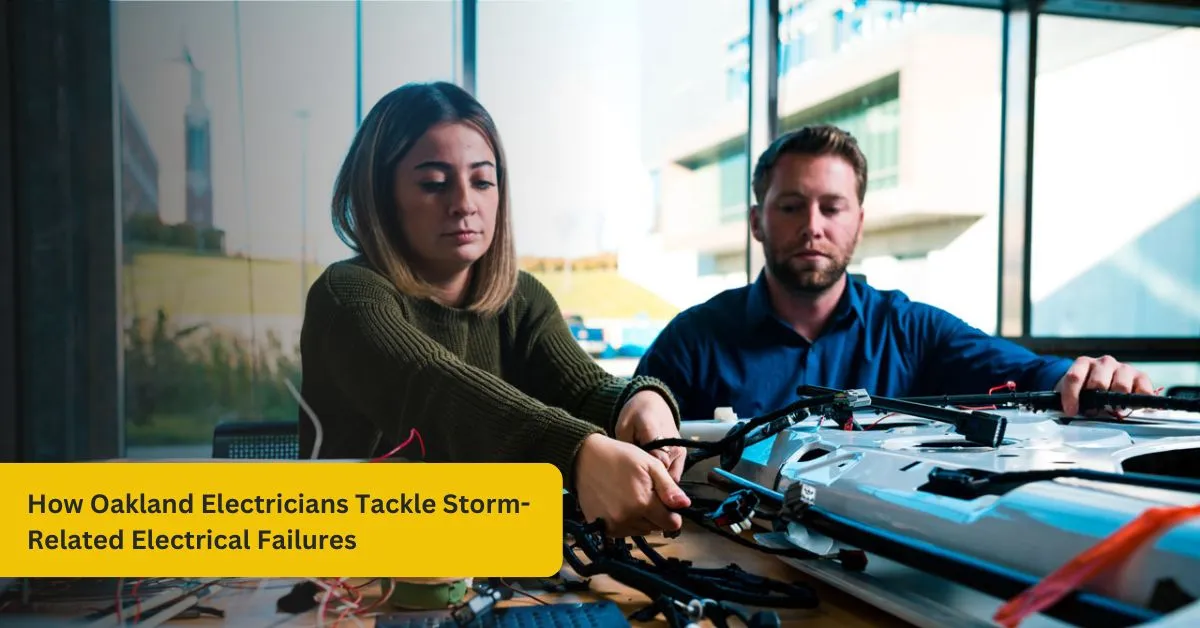
How Oakland Electricians Tackle Storm-Related Electrical Failures

Living in Oakland means dealing with some pretty wild weather from time to time. Whether it’s heavy winter rains, strong winds, or the occasional summer thunderstorm, these weather events can wreak havoc on your home’s electrical system. When the lights go out or your circuit breakers start acting up, you need someone who knows exactly what they’re doing. That’s where a skilled electrician in Oakland, CA, comes to the rescue.

There is no doubt that certain elements of electrical systems become more vulnerable when it comes to extreme weather conditions. For example, power surges are a very common problem across the world during storms, and it is especially true for Oakland when storms occur very frequently. 

Since there are many ways your residential electrical system can get damaged during a storm, it will be better to hire an experienced electrician in Oakland, CA. Let’s walk through how local electricians handle these situations and what you can do to stay safe and prepared.

Common Storm-Related Electrical Problems

When a storm hits, the electrical system in your home can take the hit too. It occurs due to lightning strikes and sudden changes in the power grid. If you do not manage the electrical system in your home properly, it may damage all of your electrical appliances, which may lead to costly repair or replacement. 

Like the power grid, circuit breakers can also be damaged during storms. As you may know, circuit breakers mainly cut off the electrical flow when a fault is detected during extreme weather events. Especially in older homes, the storms can really put stress on already aging systems. 

Water damage is another major concern. Even a small leak can lead to a huge problem when it gets in contact with electrical wires. Since moisture and electricity don’t mix, what starts as a primary becomes a huge safety hazard quickly. In addition, strong storms can kick tree branches onto power lines, which create outages and potentially damage the electrical connections to your home.

What You Should (and Shouldn’t) Do After a Storm

Before an electrician even arrives, there are a few things you can safely check:

If the power’s out completely, see if your neighbors are affected too. It might be a grid issue.

Flip off your main breaker if you suspect water damage to any part of your system.

Avoid touching wet outlets or any cords near standing water.

The golden rule? If you’re unsure, don’t touch anything. Wait for a licensed electrician to inspect and repair the issue.

The Professional Approach to Storm Damage

When you call an experienced electrician in Oakland, CA, after storm damage, they don’t just show up and start flipping switches. These pros follow a systematic approach to ensure your safety and get your power restored properly. First, they’ll conduct a thorough safety assessment, checking for any immediate hazards like exposed wires or water near electrical components.

Then they will trace the problem from your main electrical panel through your home’s circuits, identifying exactly what’s been damaged and what needs repair or replacement. Keep in mind that this isn’t the time for guesswork—storm damage can be tricky, and what looks like a simple fix might actually be masking a more serious underlying problem.

When to Call for Help!

Don’t wait if you suspect storm damage to your electrical system. If you notice flickering lights, outlets that aren’t working, burning smells, or circuit breakers that keep tripping, it’s time to call in the professionals. Remember, electrical problems can be dangerous—this isn’t a DIY situation.

They’re equipped with the knowledge, tools, and parts needed to get your home back to normal safely and efficiently, so you can weather the next storm with confidence.

Get in touch with us!

Electrical issues during storms are more than just inconvenient—they can be dangerous. But with the right help, they’re totally manageable. A certified electrician in Oakland, CA, knows how to handle storm-related damage quickly and effectively, especially when it comes to circuit breaker repair and other high-risk areas.

So next time a storm rolls through, don’t panic. Just remember: stay safe, call a pro, and let the experts bring the power back.

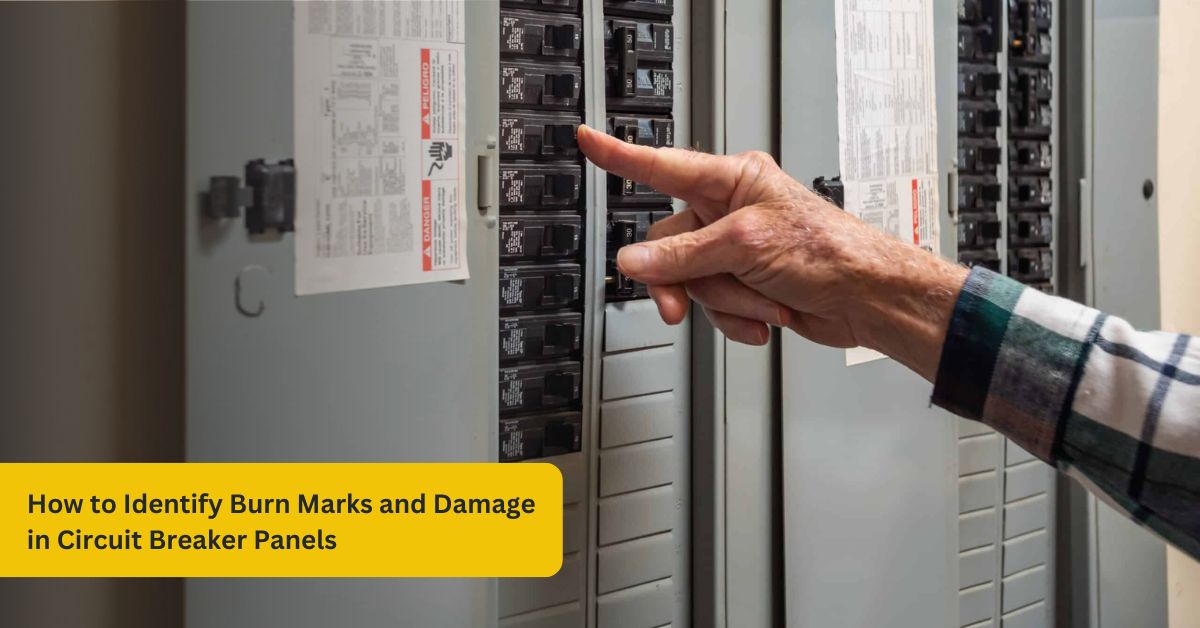
How to Identify Burn Marks and Damage in Circuit Breaker Panels

You know that metal box in your basement or garage? The one with all the switches that you only think about when the power goes out? Yeah, that’s your electrical panel, and it might be trying to tell you something important.

Most of us treat our electrical panels like that reliable friend who never complains – we just assume everything’s fine until suddenly it’s not. But here’s the thing: electrical problems don’t just appear out of nowhere. They give you hints, sometimes for months, before they turn into real emergencies.

Why You Should Actually Care About That Box on the Wall

Think about it – every single electrical thing in your house depends on that panel working properly. Your morning coffee, your phone charger, the lights you flip on without thinking. When that panel starts having problems, it’s not just an inconvenience waiting to happen; it’s a safety issue.

Electrical panels are pretty tough, but they’re not invincible. Connections get loose over time, circuits get overloaded, and sometimes things just wear out. When any of these problems develop, heat starts building up. And heat plus electricity? That’s not a combination you want to mess around with.

The frustrating part is that these issues usually develop slowly. You might walk past your panel every day for months while a problem is brewing, completely unaware that you need circuit breaker repair until something dramatic happens.

What Trouble Actually Looks Like

Those Weird Stains Aren’t “Character”

Pop open your electrical panel and take a real look at it. See any brown marks? Black spots? Yellowish stains around the breakers or anywhere on the metal? Those aren’t signs of a “vintage” electrical system – they’re evidence that something got hot enough to literally burn the surrounding material.

These marks don’t show up overnight. They develop gradually as problems get worse. Spotting them early can save you from much bigger headaches later.

When Things Start Looking Melty

This one’s pretty hard to miss once you know what to look for. If any plastic parts look warped, shiny, or actually melted, you’ve got a serious situation. Wire coating might look cracked or brittle too. When plastic starts melting in your electrical panel, temperatures have gotten way too high – definitely time for circuit breaker repair.

Rust Isn’t Just Ugly

Don’t brush off that orange or green crusty stuff around connections. Corrosion creates resistance, resistance creates heat, and heat creates more problems. It’s like a snowball rolling downhill, except the snowball is made of electrical problems.

The Touch Test (Sort Of)

Here’s something most people never think to try: checking if your panel feels warm. Not by touching it directly – that’s not safe – but by holding your hand a few inches away from it. Feel any heat coming off it? That’s not normal.

Your electrical panel should feel completely neutral, temperature-wise. Same goes for the individual breakers. If you flip a switch and it feels warm afterward, that’s your panel’s way of saying “hey, something’s not right in here.”

Listen Up – Literally

Your electrical system actually makes noise when it’s unhappy. Stand near your panel for a minute and really listen. Hear any crackling? Buzzing? Little popping sounds? Those aren’t the sounds of a happy electrical system. They’re usually signs that electricity is jumping around where it shouldn’t, creating heat and potential fire risks.

These sounds often show up before you can see any actual damage, making them really valuable early warning signs. Definitely circuit breaker repair territory.

Trust Your Nose

This might sound weird, but your nose can be one of your best tools for spotting electrical problems. That sharp, acrid smell of burning plastic or overheating metal? Don’t ignore it.

Sometimes you can smell problems before you can see them. If you catch a whiff of something burning near your electrical panel, pay attention. Your nose might be picking up on trouble that your eyes haven’t spotted yet.

When to Call for Help

Here’s the deal: if you find any signs of burning, feel unusual heat, hear weird sounds, or smell something electrical, it’s time to call a professional. Yes, it costs money. Yes, it’s inconvenient. But you know what’s more inconvenient? Dealing with an electrical fire.

Don’t be that person who thinks they can YouTube their way through circuit breaker repair. Electrical work is one of those things where a little knowledge can actually be dangerous. Professional electricians spent years learning how to do this stuff safely – there’s a reason for that.

The Bottom Line

Your electrical system is actually pretty good at communicating when something’s wrong. Brown stains, weird heat, strange sounds, burning smells – these are all ways it tries to get your attention before small problems become big disasters.

So next time you’re walking through the garage, take a second to glance at that metal box on the wall. It’s been working hard to keep your family safe – the least you can do is check in on it once in a while. And if it seems like it’s trying to tell you something? Listen to it. Professional circuit breaker repair is a small price to pay for peace of mind.

Is Your Oakland Home Ready for Today’s Power-Hungry Appliances?

Ever plug in your new air fryer or charge your electric car and notice the lights dim a bit? If you’re in an older Oakland home, your electrical system might be sweating trying to keep up with all your gadgets. From big TVs to coffee makers, today’s appliances use a ton of power, and your breaker might not be up for the job. Here’s why that’s a problem and how an electrician in Oakland, CA, can help fix it.

Old Houses Can’t Handle New Toys

Lots of Oakland homes, like in the Hills or near Lake Merritt, are old—like, from when TVs were black-and-white. Back then, people just had a lamp or two, not a house full of electronics. Now, we’re plugging in everything: laptops, air fryers, you name it. That’s a lot of juice!

If your breaker keeps flipping, it’s saying it can’t keep up. An electrician in Oakland, CA, can check if you need circuit breaker repair or maybe a bigger system to handle all your stuff.

Signs Your Wiring’s Freaking Out

How do you know if your house’s electrical system is about to lose it? Look for this stuff:

  • Breaker’s always flipping: If you’re resetting it every week, that’s not good.
  • Lights acting weird: If they flicker when you turn on the toaster, your wires are stressed.
  • Hot plugs: If outlets or switches feel warm, that’s a red flag.

These mean your system’s probably too old. An electrician in Oakland, CA, can figure out what’s up and do circuit breaker repair to keep things safe.

Don’t Ignore It—It’s Risky

A breaker that keeps flipping isn’t just a pain—it could be trouble. If your wires get too hot, they can wreck your stuff or even start a fire. Some old breaker boxes, like Federal Pacific ones in tons of Oakland homes, are super sketchy. They don’t always work right, which is bad news.

Don’t wait for something scary to happen. Call an electrician in Oakland, CA, for circuit breaker repair to stop problems before they get big.

Make Your House Ready for Today

You don’t have to ditch your gadgets to keep the lights on. You can get a new breaker box that’s built for modern stuff like electric cars or fancy coffee makers. Or maybe add extra circuits for big things like your dryer so everything plays nice.

An electrician in Oakland, CA, can look at your house and tell you what’ll work, like circuit breaker repair or a new setup. It’ll make your place safer and let you use all your toys without the breaker throwing a fit.

Get It Checked Out

If your Oakland home’s breaker is acting like a drama queen, don’t just deal with it. It’s your house saying, “Help me out here!” Call an electrician in Oakland, CA, to take a look and do any circuit breaker repair needed. Fixing it now can save you from busted appliances or a house that’s not safe.

Next time the power cuts out, don’t just curse and flip the switch. Get a pro to make sure your home can handle all those power-hungry gadgets. You’ll thank yourself later.

Why Frequent Circuit Breaker Trips Could Signal a Bigger Problem

Okay, so you’re just trying to microwave some popcorn or catch up on your favorite show, and—bam—the power’s gone. You drag yourself to that circuit breaker box in the basement, flip the switch, and it’s all good… until it happens again. Like, every other day. If your circuit breaker’s acting up like this, it’s not just being a jerk. It’s probably trying to tell you something’s not right. Here’s the deal on why it keeps flipping and why circuit breaker repair is super important.

What’s the Circuit Breaker Even For?

Your circuit breaker is like your house’s best friend who’s always got your back. It shuts off the electricity if something’s off, like too much power or a problem with the wires. That’s to keep your place from burning down or your stuff from getting fried. If it flips once in a while, no big deal. But if it’s doing it all the time, something’s wrong. That’s when you need circuit breaker repair to get to the bottom of it.

Plugging in Way Too Much Stuff

A lot of times, your breaker flips because you’re overloading it. Like, you’ve got the air fryer, the toaster, and your laptop charger all plugged into one outlet. That’s a ton for one circuit to deal with! If your house is a bit older, it might not be built for all the gadgets we use now.

An electrician can check if you’re asking too much of your circuits. They might tell you to plug stuff in different places or maybe upgrade your system. Either way, circuit breaker repair can stop those constant flip-outs and keep things chill.

Bad Wiring: Kinda Scary

Sometimes, a flipping breaker means something more serious, like a short circuit or ground fault. A short circuit’s when wires touch when they’re not supposed to, and it makes the electricity go nuts. A ground fault’s when power sneaks off somewhere dangerous, like into a metal box. Both can spark or even start a fire.

If your breaker’s flipping and you see lights flickering, smell something weird, or hear buzzing from your outlets, don’t wait around. Call an electrician for circuit breaker repair right away. This stuff’s not something to mess with.

Old House Problems

If your house is old—like, from when people still used dial-up internet—your electrical setup might not handle today’s needs. Old breakers can get cranky, flipping too much or not at all when they should. Some old panels, like Federal Pacific or Zinsco, are just plain bad news.

An electrician can take a peek and see if your system needs some love or circuit breaker repair. It’s a way to stop the flipping and make sure your house is safe for all your modern stuff.

Don’t Just Keep Flipping It Back

When your breaker keeps flipping, it’s like your house is waving a big red flag. Sure, you can keep resetting it, but that’s not fixing what’s wrong. Ignore it, and you might end up with broken appliances, messed-up wires, or even a fire.

Good news, though—an electrician can figure out what’s up and do some circuit breaker repair to fix it. Maybe it’s a bad breaker, some janky wires, or your whole system needs an upgrade. Whatever it is, it’ll keep your house safe.

Don’t Wait, Get It Fixed

If your breaker’s flipping like it’s got a grudge, don’t just live with it. Call an electrician to check it out and make it right. Fixing it now can save you from huge headaches later, like crazy repair bills or a house that’s not safe.

Next time that breaker pulls its stunt, don’t just grumble and flip it back. Get a pro for circuit breaker repair and deal with it. You’ll sleep better knowing your home’s got its act together.

How an Oakland Electrician Can Improve Your Home’s Energy Efficiency

Energy bills creeping up? Your home might be leaking power like a sieve. An electrician in Oakland CA can swoop in, spot the weak spots, and tighten things up so you’re not burning cash. From old wiring to wonky breakers, they’ve got the tricks to make your place run leaner and greener.

Here’s how they can crank up your home’s energy efficiency without you breaking a sweat.

Sniffing Out Power Hogs

First off, an electrician in Oakland CA plays detective. They’ll poke around to find what’s guzzling electricity. Old appliances—like that ancient fridge humming in the garage—or outdated lighting can suck up way more juice than they should. They might slap a meter on your circuits to see what’s pulling the most power and where it’s going.

Sometimes it’s not so obvious. Faulty wiring or a breaker that’s on the fritz can bleed energy too. That’s when circuit breaker repair comes into play. A pro can spot if a breaker’s tripping too often or not holding steady, fix it up, and stop those sneaky losses cold.

Upgrading Your Lighting Game

Lighting’s a biggie when it comes to energy use. If you’re still rocking incandescent bulbs, you’re basically heating your house for no reason—they’re like mini space heaters that happen to glow. An electrician in Oakland CA can swap them out for LEDs, which sip power instead of chugging it. They’ll even wire up dimmers or motion sensors so lights aren’t blazing when no one’s around.

Got outdoor lights? They can set you up with timers or solar-powered options. It’s a quick win—less waste, lower bills, and your home still looks sharp. A good electrician knows how to make it all seamless, no flickering or fuss.

Fixing Your Circuits and Breakers

Your electrical system’s backbone—circuits and breakers—can secretly tank your efficiency if they’re off. A worn-out breaker might not trip when it should, letting overloaded lines heat up and waste power. Circuit breaker repair is a must here. An electrician will test them, tighten loose connections, or replace ones that are toast so your system’s not working harder than it needs to.

Overloaded circuits are another culprit. If you’ve got too many gadgets plugged into one line, it’s like forcing your house to run a marathon with a limp. They’ll rebalance the load or add new circuits, keeping everything humming without the extra strain. Less strain, less waste—simple as that.

Beefing Up Insulation and Sealing Leaks

Wiring’s not the only thing an electrician can eyeball. They’ll check where your power’s feeding—like HVAC systems or water heaters—and see if it’s slipping out through bad insulation or gaps. Maybe your outlets are drafty, or the panel’s in a spot that’s cooking in summer. An electrician might not redo your walls, but they can slap weatherproof covers on outlets or move wiring to smarter spots.

For big energy hogs like heaters, they can wire in thermostats that cut back when you’re out. Circuit breaker repair might come up again here too—if your breaker’s flaky, it could be letting those systems overwork and chew through extra power. A quick fix keeps it all in check.

Going Smart with Tech

Want to get fancy? An electrician can hook you up with smart tech that slashes waste. Think smart plugs that kill vampire power—those little trickles from devices on standby—or a whole-home energy monitor that shows where every watt’s going. They’ll wire it in clean so you’re not tripping over cords or frying anything.

If you’re eyeing solar panels or an EV charger, they can tie those in too, making sure your breakers and circuits are up to snuff. Circuit breaker repair might be part of the deal if your old setup can’t handle the new load. It’s all about building a system that’s tight and efficient for the long haul.

Why It’s Worth It

An electrician in Oakland CA doesn’t just patch stuff—they make your home work smarter. Lower bills are the obvious perk, but you’re also cutting your carbon footprint and dodging breakdowns that hit your wallet later. Whether it’s swapping bulbs, tweaking circuits, or nailing circuit breaker repair, they’ve got the know-how to spot waste and stomp it out.

So, if your energy bill’s giving you a heart attack, call in the pros. An electrician can turn your home into a lean, mean, power-saving machine—no gimmicks, just solid fixes that stick. You’ll feel the difference in your pocket and your peace of mind.

How Weather Conditions Affect Circuit Breaker Performance

Circuit breakers are those little heroes in your electrical system that keep things from frying when there’s too much power flowing. But here’s the thing—they don’t always handle weather changes like champs. Hot summers, freezing winters, damp air, or wild storms can all throw them off their game.

Knowing how weather messes with them can help you figure out when it’s time to call someone for circuit breaker repair and keep your power running smoothly.

Hot Weather Can Overheat Your Breakers

When it’s blazing hot outside, your circuit breakers feel it too. Summer means cranking the AC, which puts extra strain on your electrical setup. Breakers have this built-in trick where they trip if they get too hot from overloaded wires. But when the air itself is roasting, they might flip off even if everything’s technically fine—just because they’re baking out there. Over time, that heat can also wear down the wires and insulation, setting you up for bigger problems.

If your breaker keeps shutting off during a heatwave, it’s probably crying for help. That’s when you might need to get circuit breaker repair on the schedule before something worse happens.

Cold Snaps Make Breakers Stiff

Flip the script to winter, and cold weather brings its own headaches. Freezing temps can make breaker parts brittle, especially if they’re sitting outside. The little moving bits inside might get sluggish because the grease they use stiffens up in the cold. That means they might not trip fast enough—or at all—when there’s trouble, which isn’t safe.

Snow or ice can sneak into the breaker box too, rusting things up or shorting them out if the seals aren’t tight. When that happens, you’re looking at circuit breaker repair to get it back in shape. Checking those seals before winter hits can save you a lot of grief.

Damp Air Sneaks in and Causes Trouble

Ever notice how sticky everything feels when it’s humid? That dampness isn’t just annoying—it’s bad news for circuit breakers. Wet air can creep into the box and leave water droplets on the parts. Over time, that leads to rust or even mold, which gums up the works. In really bad cases, it might make the breaker trip for no reason or just quit working altogether.

Rainy seasons are the worst for this, especially if your breaker’s outside and not sealed up tight. Once water gets in, you’re almost guaranteed to need circuit breaker repair. A good waterproof cover or even a dehumidifier nearby can keep things dry and happy.

Storms Are a Breaker’s Nightmare

Then there’s wild weather—think thunderstorms or hurricanes. Lightning can zap your system with a crazy surge that most breakers aren’t built to handle. You’d need a surge protector to take the hit, but even then, a fried breaker might need fixing afterward. High winds can smack debris into outdoor breakers, and flooding can drown them completely, leaving you with a mess.

After a big storm, it’s smart to check your breakers for damage. If they’re acting weird or won’t reset, circuit breaker repair is the next step to get things safe again.

How to Keep Your Breakers Happy

You don’t have to just cross your fingers and hope your breakers survive the weather. Check them out now and then, especially after a rough season. Make sure outdoor ones have solid, weather-tight covers—those IP ratings on the box tell you how tough they are. Getting a pro to look at them once a year can catch little problems before they turn into emergencies.

If you live somewhere with crazy weather swings, maybe upgrade to breakers built for the challenge. Newer ones handle heat and cold better. It’s all about staying ahead of the game.

Wrapping It Up

Weather can really throw a wrench into how your circuit breakers work—whether it’s heat making them twitchy, cold slowing them down, or storms knocking them out. Figuring out what’s going on lets you fix stuff before it’s a total disaster. Keep an eye on them, seal them up tight, and don’t wait too long for circuit breaker repair when they’re struggling. That way, your lights stay on, and your system stays safe no matter what the forecast says.

Contact Us
To request a call back or quote


    Get In Touch
    Don't hesitate to contact us for more help